Signs of Termite Damage in Beaufort Homes and What to Do Next
Mud tubes, soft window frames, and hollow-sounding baseboards are the first signs of termite damage in Beaufort homes. Here is what to check and what to do next.
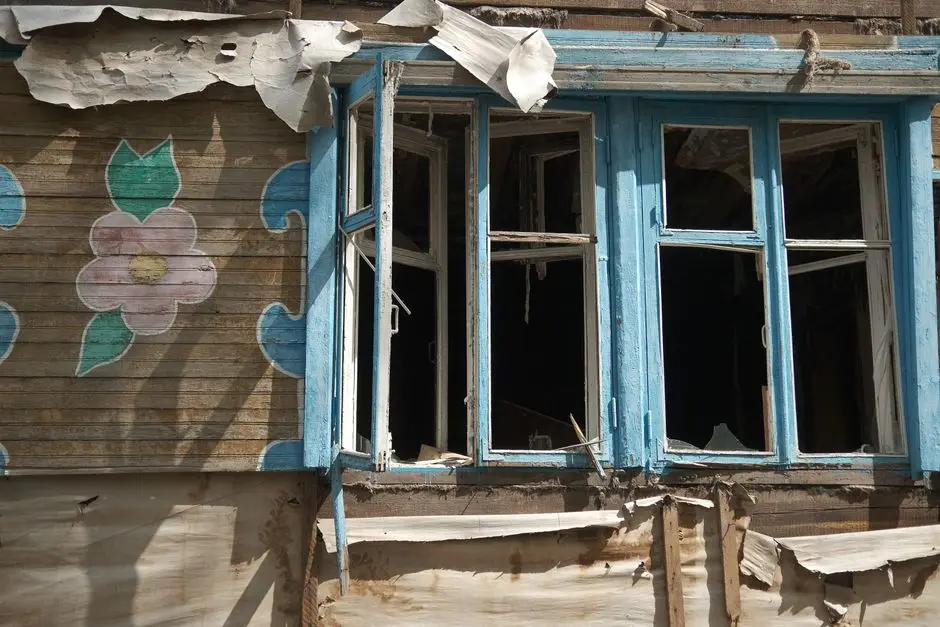
The signs of termite damage in Beaufort homes are mud tubes on foundation walls, wood that sounds hollow when you tap it, bubbling or blistered paint, and windows or doors that suddenly stick. If you find any of those, do not tear anything out yet - get a professional inspection first, because the damage is usually three to five times larger than the visible surface.
We have crawled under hundreds of houses from downtown Beaufort to Ladys Island, and the pattern is always the same: the homeowner noticed something small in October or November, ignored it through the winter, and found the real problem in spring. This post walks through what to look for, what it costs to fix in 2026, and the exact order of operations after you spot damage.
What Termite Damage Actually Looks Like in a Beaufort Home
Signs of termite damage in Beaufort homes is the visual and structural evidence that subterranean termites have been feeding on the wood framing of your house - and it shows up differently than most people expect. Termites eat wood from the inside out, so the surface often looks fine until you press on it. A baseboard that gives slightly under your thumb, a door frame that crunches, or a piece of trim that snaps with almost no pressure are all classic tells.
Eastern subterranean termites - the species that does nearly all the structural damage in Beaufort County - build mud tubes to travel from soil to wood. Those tubes are about the width of a pencil, brown, and look like dried mud stuck to concrete, brick, or pier pilings. Break one open and you may see live workers inside. That single find is worth a call.
One more thing worth knowing: termites are not the only pest that damages wood here. Powderpost beetles leave fine sawdust, and moisture damage from our coastal humidity can mimic termite damage closely. A proper inspection separates the three.
Why Beaufort Homes Get Hit Harder Than Most of South Carolina
Beaufort's combination of high water tables, sandy soil, and year-round warmth keeps subterranean termites active roughly ten months out of twelve. In colder parts of the state, colonies slow down in winter. Here, they keep eating.
Add the housing stock. Downtown Beaufort, the Old Point, and neighborhoods off Bay Street are full of homes built between 1890 and 1950 with heart pine framing, brick piers, and crawl spaces that stay damp. Heart pine is dense, but termites still get into it, and pier-and-beam foundations give them a direct, hidden path from soil to floor joists. We see the same setup on pest control Ladys Island SC properties, where slab-on-grade additions sit right next to original pier foundations - two different termite entry points on one house.
Newer construction is not immune. Builders leave form boards, scrap lumber, and wood stakes in the soil, and every one of those is a termite buffet that leads straight to your house. We pull buried debris out from under new builds more often than you would think.
The 9 Signs of Termite Damage in Beaufort Homes We Find Most Often
These are the termite damage signs Beaufort SC homeowners report to us most frequently, ranked by how often they turn out to be the real thing:
- Mud tubes on foundation walls, piers, or crawl space joists. Pencil-width, brown, and easy to miss in dim light.
- Hollow-sounding wood. Tap baseboards, door frames, and floor joists with a screwdriver handle. A dull, papery thud instead of a solid knock is a red flag.
- Bubbling or cracked paint on wood trim. Termites eat the wood behind the paint, and the paint film blisters as the surface warps.
- Sticking windows and doors. Termite galleries in the framing change how the frame sits, so doors that used to close cleanly start catching.
- Frass and pellets. Small piles of sawdust-like material near baseboards or window sills.
- Soft or spongy floors, especially near exterior walls and bathroom thresholds.
- Flying swarmers in spring, usually after the first warm rain in March or April. They shed their wings, so look for loose wings on windowsills.
- Clicking sounds inside walls at night. Soldier termites bang their heads against tunnel walls when the colony is disturbed.
- Visible damage in the crawl space - sagging insulation, crushed vapor barrier, or joists with visible tunneling.
One sign alone is worth an inspection. Two or more means you likely have an active colony, not a historical one.
What Should I Do If I Find Termite Damage in Beaufort?
If you find termite damage in Beaufort, the correct first move is to stop, photograph it, and call for an inspection - do not spray anything, do not rip out the damaged wood, and do not assume a can of store-bought termiticide solved it. Here is the order that saves the most money:
- Photograph everything before you touch it. Photos help the inspector and your insurance adjuster.
- Do not disturb the mud tubes or damaged wood. You want the inspection to see the colony's actual working pattern.
- Book a termite inspection. A proper inspection covers the crawl space, foundation, attic, and interior - not just the spot you found.
- Get the treatment plan in writing with the product name, application method, and any warranty terms.
- Handle repairs after treatment, never before. Replacing wood while termites are still active just feeds them new material.
If you are already working with us on other issues - say, residential pest control Beaufort SC for ants or roaches - tell your technician you suspect termites. We will fold the inspection into the same visit and save you a trip charge.
How Much Does Termite Treatment Cost in Beaufort SC?
Typical 2026 pricing for termite treatment in Beaufort SC runs $850 to $2,400 for a liquid soil treatment on an average 1,500 to 2,500 square foot home, and $1,800 to $4,500 for bait system installation. The spread depends on foundation type, square footage, and whether we are treating a crawl space, a slab, or both.
Here is what drives the number:
- Foundation type. Pier-and-beam crawl spaces are usually faster to treat than slab-on-grade, which requires trenching and drilling through the slab.
- Linear footage, not square footage. We price on the perimeter of the structure, since that is where the treatment goes.
- Active infestation vs. preventive. An active colony often needs a follow-up visit at 30 and 90 days.
- Bait vs. liquid. Bait systems cost more upfront but come with ongoing monitoring. Liquid treatments are cheaper on day one but need re-treatment every five to eight years.
Damage repair is a separate line item. Replacing a section of sill plate or a few floor joists in a Beaufort home usually runs $400 to $1,800 depending on how much framing is affected. If a contractor quotes you $15,000 for repair without an inspection report, get a second opinion.
For a full breakdown of what we install and how the warranty works, see our termite treatment Beaufort SC page.
Common Mistakes Beaufort Homeowners Make With Termites
The most expensive mistake we see is treating the symptom instead of the colony. A homeowner spots a mud tube, sprays it with a can of foam, and calls it done. The colony reroutes around the spray in a week and keeps eating. You have spent $20 and lost a month.
Other mistakes that cost real money:
- Replacing damaged wood before treatment. New lumber goes in, termites move right into it, and you pay twice.
- Assuming homeowners insurance covers termite damage. It almost never does. Standard South Carolina policies exclude insect damage, which is why prevention matters so much here.
- Skipping the crawl space. Nine out of ten active infestations we find in Beaufort start in the crawl space. If your inspector never went under the house, you did not get an inspection.
- Ignoring the neighbor's problem. Subterranean termites forage up to 300 feet from the colony. If the house two doors down was treated last year, your risk just went up, not down.
- Waiting until spring. Swarmers are the visible stage. By the time you see them, the colony is four to seven years old.
When to Call a Professional
Call a professional the moment you find a live mud tube, hollow wood, or swarmers inside the house. Those three findings mean an active colony, and DIY products sold at hardware stores are not labeled for structural termite control - they kill what they touch and nothing else.
We handle termite inspections and treatment across Beaufort County, including the older pier-and-beam homes downtown and the newer builds out toward pest control in Bluffton. Our technicians are state-licensed in wood-destroying organism control, and every treatment comes with a written warranty and a follow-up visit. If you are not sure whether what you found is termites or moisture damage, send us a photo - we will tell you straight.
We also handle the other pests that show up alongside termites in coastal South Carolina, from rodent control Beaufort SC in the crawl space to moisture ants around wet framing. One visit, one report, one plan.
Frequently Asked Questions
What are the signs of termite damage in Beaufort SC homes?
Mud tubes on the foundation, hollow-sounding wood, bubbling paint, and sticking doors or windows are the top four. Add swarmers in spring, frass near baseboards, and soft floors near exterior walls. Any one of these justifies a professional inspection - two or more usually means an active colony.
What should I do if I find termite damage in Beaufort?
Photograph it, leave it alone, and book an inspection within a week. Do not spray, do not remove the wood, and do not start repairs until treatment is complete. Treatment first, repair second - that order saves most homeowners several hundred to a few thousand dollars.
How much does termite treatment cost in Beaufort SC?
In 2026, liquid soil treatments run $850 to $2,400 for a typical home, and bait systems run $1,800 to $4,500 installed. Pricing is based on perimeter linear footage, foundation type, and whether the infestation is active. Damage repair is billed separately, usually $400 to $1,800 per affected area.
Who is the best termite control company in Beaufort?
The right company is the one that inspects the crawl space, attic, and interior, gives you a written treatment plan with the product named, and backs the work with a warranty and follow-up visit. Ask any company those three questions before you sign. We are happy to answer them for you.
Do I need a termite inspection in Beaufort SC?
Yes - annually if your home has a crawl space, and every two years at minimum for slab homes. Beaufort's warm, humid climate keeps termites active about ten months a year, so the risk window is far longer here than in most of the country. Inspections typically run $75 to $150.
Get Help With Pest Control in Beaufort
If you have spotted mud tubes, hollow wood, or swarmers, we can be under your house this week. Our team handles termite inspections, treatment, and the follow-up that keeps the colony from coming back.
Call (843) 892-8051 to schedule a termite inspection in Beaufort, or reach out through our pest control Beaufort SC page and we will get you on the schedule.