What Attracts Wasps and Hornets to Homes in Beaufort?
Sweet drinks, open trash, and warm Lowcountry eaves pull wasps and hornets to Beaufort homes. Here's what actually attracts them - and how to get rid of them fast.
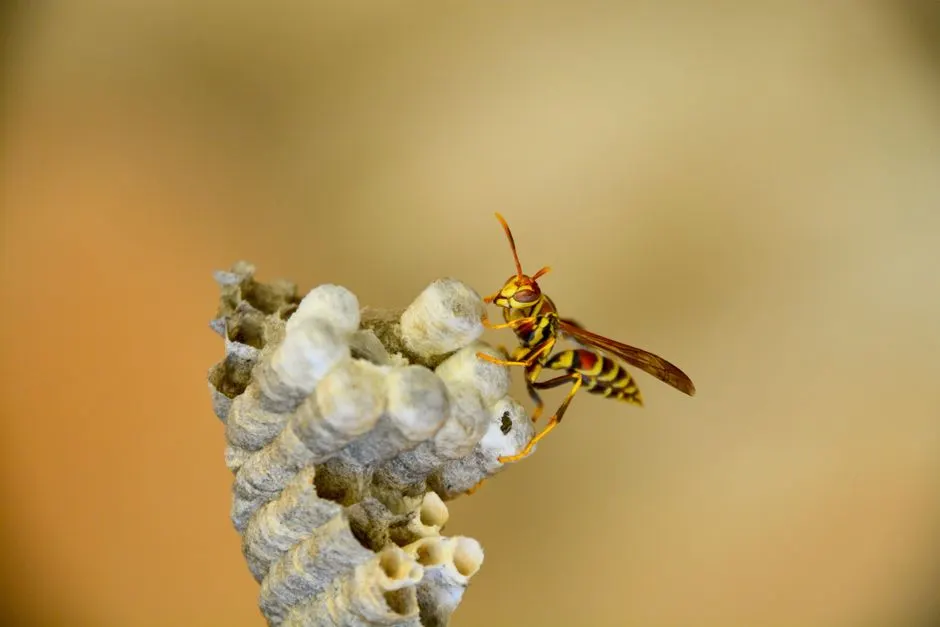
Wasps and hornets come to Beaufort homes for three things: sugar, protein, and shelter. If your yard has any of those - a humming hummingbird feeder, a trash can without a tight lid, or a warm south-facing eave - you are already on their map. What attracts wasps and hornets to Beaufort homes is rarely one big mistake. It is a dozen small ones stacked on top of each other, and the Lowcountry's long, humid warm season gives every one of them more time to work.
Below we break down the specific attractants we see on service calls from downtown Beaufort to Ladys Island, what the local climate does to the timeline, and how to get rid of an active nest without getting stung.
The Short Answer: What Attracts Wasps and Hornets to Beaufort Homes
What attracts wasps and hornets to Beaufort homes is a combination of food, water, and protected nesting sites that stay warm and dry through the coastal humidity. Sugar sources like soda cans, fruit trees, and hummingbird feeders draw paper wasps and yellowjackets. Protein sources like pet food, grill drippings, and garbage pull hornets. And the shaded eaves, soffits, and attic vents common on Lowcountry homes give them a place to build.
That is the whole equation. Remove one leg of it and you cut your odds. Remove two and you usually stop seeing them altogether.
Why Beaufort's Climate Makes the Problem Worse
Beaufort's warm, humid climate keeps wasp and hornet colonies active for roughly eight months of the year, from late February through October, with a smaller second wave in mild winters. Most of the country gets a hard freeze that wipes out overwintering queens. We do not.
Average summer highs here sit in the low 90s, and relative humidity often stays above 70 percent. That moisture does two things. It keeps wood soft and easy for paper wasps to chew into pulp for nest material, and it keeps the small insects they hunt - caterpillars, spiders, flies - breeding longer into the fall.
Coastal Beaufort County also sits on the Atlantic flyway, which means more flowering vegetation, more standing water after storms, and more outdoor food sources than an inland town at the same latitude. If you have lived here more than a couple of summers, you already know the routine: the first big hatch shows up right around the time the azaleas finish blooming.
The 7 Things Around Your Home That Pull Wasps and Hornets In
On our wasp and hornet removal Beaufort calls, these are the seven attractants we find over and over. Fix the ones you can and the pressure drops noticeably within a week or two.
- Sugary drinks and open food. A half-finished Coke on the porch rail is a yellowjacket magnet. So is a bowl of overripe peaches on the counter by an unscreened window.
- Garbage cans without tight lids. A 32-gallon can with a cracked lid will feed a paper wasp colony for weeks. Rinse cans monthly and keep lids seated.
- Pet food left outside. Dry kibble is high-protein, which is exactly what hornets feed their larvae in mid-summer.
- Hummingbird feeders and fruit trees. A feeder dripping sugar water is a buffet. So are fig, pear, and crabapple trees once the fruit starts to split.
- Standing water. Clogged gutters, plant saucers, and old tires hold the moisture wasps need to build nests and chew wood pulp.
- Untreated wood and old fencing. Paper wasps strip fibers from weathered fence boards, deck rails, and shed siding. Sealed or painted wood is much less attractive.
- Warm, sheltered eaves and soffits. South- and west-facing overhangs stay warm late into the evening, which is exactly what a queen looks for in spring.
If you are also seeing ants trailing toward the same trash cans or pet bowls, that is a related problem - our team handles ant control Beaufort SC on the same visit in most cases, since the food sources overlap.
Where Wasps and Hornets Actually Build Nests in Beaufort
Wasps and hornets in Beaufort SC build nests in predictable spots once you know what to look for. Paper wasps favor the underside of eaves, porch ceilings, and window shutters. Yellowjackets usually nest underground or inside wall voids, which is why homeowners often hear a humming sound before they ever see a nest. Bald-faced hornets - actually a type of yellowjacket - build the big gray paper footballs you see hanging from tree limbs and roof peaks.
On the coast, we also find nests inside boat covers, under dock boxes, and in the gap between a screened porch frame and the house. Those are the ones that surprise people, because the nest is hidden until someone reaches for a paddle or a hose.
Homes on the water in Ladys Island pest control territory tend to have more paper wasp activity on dock pilings and boathouse rafters. It is not a coincidence - the constant moisture keeps the wood soft and the insect prey abundant.
What a nest looks like by species
- Paper wasp: open, umbrella-shaped comb with visible cells, usually 4-8 inches across.
- Yellowjacket: enclosed paper layers, often in the ground or a wall; entry hole is about the size of a quarter.
- Bald-faced hornet: large gray paper ball, sometimes the size of a basketball by late summer.
- Mud dauber: small tubes of dried mud on porch ceilings and garage walls - mostly harmless but worth removing.
How Do I Get Rid of Wasps and Hornets in Beaufort?
Getting rid of wasps and hornets in Beaufort starts with locating the nest, treating it after dark when the colony is inside, and removing the nest so it cannot be reused. Spraying a visible nest during the day is how most people get stung - the foragers are out, agitated, and they come back to defend.
Here is the sequence we use on a standard residential call:
- Walk the property and identify every nest, including secondary ones under shutters and in ground holes.
- Return after sunset, when the colony is clustered and less reactive.
- Apply a labeled insecticide directly to the nest entry and surrounding structure.
- Wait 24-48 hours, then remove and bag the nest.
- Treat the harborage point - the eave, soffit gap, or wall void - so a new queen does not move in next spring.
For most single-nest jobs, the whole process takes under an hour on site. Larger yellowjacket ground nests sometimes need a second visit, especially if the colony has been active for more than six weeks.
If you are dealing with yellowjackets that have moved into a wall void, that is a different job than an exposed paper wasp nest. We handle it as part of our wasp and hornet removal Beaufort SC service, which includes nest removal and a follow-up check.
What to Watch Out For: Common Mistakes
The biggest mistake we see is homeowners knocking down a nest during the day and assuming the problem is solved. It is not. The foragers return to a missing nest and will rebuild within a few feet, often within 48 hours.
Other mistakes worth avoiding:
- Using a flashlight directly on the nest at night. The light draws them straight to you. Use a red-filtered beam or a headlamp pointed away.
- Sealing a wall void with wasps still inside. They will chew through drywall to get out. Treat first, seal second.
- Spraying a ground nest and then mowing over it. Give it 48 hours minimum before you go near it with equipment.
- Assuming a store-bought spray reaches the queen. Most aerosols kill the workers on contact but miss the colony inside the nest.
- Ignoring repeat nests in the same spot. If wasps build on the same eave three years running, the pheromone trail is still there. That spot needs to be cleaned and sealed, not just sprayed.
One more: do not mix ammonia and bleach-based cleaners near a nest site. The fumes agitate the colony and give you zero control over where they go.
When to Call a Professional
Call a professional when the nest is inside a wall, underground, higher than a single-story eave, or when anyone in the house is allergic to stings. Those four situations account for almost every serious sting incident we see in Beaufort County.
Our team at pest control Beaufort SC handles wasp and hornet work year-round, and we treat the harborage point so the same eave does not get rebuilt on next season. If you are not sure whether the nest is active, we will come out and tell you straight - no charge for the look.
For homes with kids, pets, or a history of reactions, professional removal is the safer call. A single yellowjacket colony can hold 1,000 to 4,000 workers by late summer, and that is not a nest you want to handle with a can of spray from the hardware store.
Frequently Asked Questions
What attracts wasps and hornets to homes in Beaufort SC?
Sugar, protein, and shelter. Open soda cans, pet food, garbage, hummingbird feeders, and fruit trees pull them in. Warm eaves, soffits, and untreated wood give them a place to nest. Beaufort's long warm season keeps all three attractants working from late February into October.
How do I get rid of wasps and hornets in Beaufort?
Locate the nest, treat it after dark, wait 24-48 hours, then remove it and treat the harborage point. For ground nests or nests inside walls, call a professional - those are the ones that send people to the ER. Store-bought sprays rarely reach the queen.
How much does wasp and hornet removal cost in Beaufort SC?
Typical 2026 pricing in this area runs $150 to $350 for a single accessible nest, and $300 to $600 for wall voids, ground nests, or multi-nest properties. Follow-up visits, if needed, usually add $75 to $125. You get the exact number before we start.
Who is the best wasp and hornet removal company in Beaufort?
The best company is the one that treats after dark, removes the nest, and treats the harborage point so it does not come back. Ask any provider those three questions. If they only spray and leave, you will be calling someone else in three weeks.
Is wasp and hornet removal safe for pets in Beaufort?
Yes, once the treated area is dry. We use labeled products applied to the nest and structure, not broadcast across the yard. Keep pets and kids indoors during treatment and for about two hours after, until everything is dry.
Get Help With Pest Control in Beaufort
If you have found a nest on your porch, in a wall, or in the ground, we can take care of it before it grows. We serve Beaufort, Port Royal, Ladys Island, and the surrounding islands with same-week scheduling and after-dark treatments.
Call (843) 892-8051 and we will get a technician out to identify the species, remove the nest, and treat the spot so it stays clear.