When Is Flea and Tick Season in Beaufort and How to Protect Your Pets?
Flea and tick season in Beaufort runs March through November, with ticks active year-round. Here's how to protect your pets and when to call a pro.
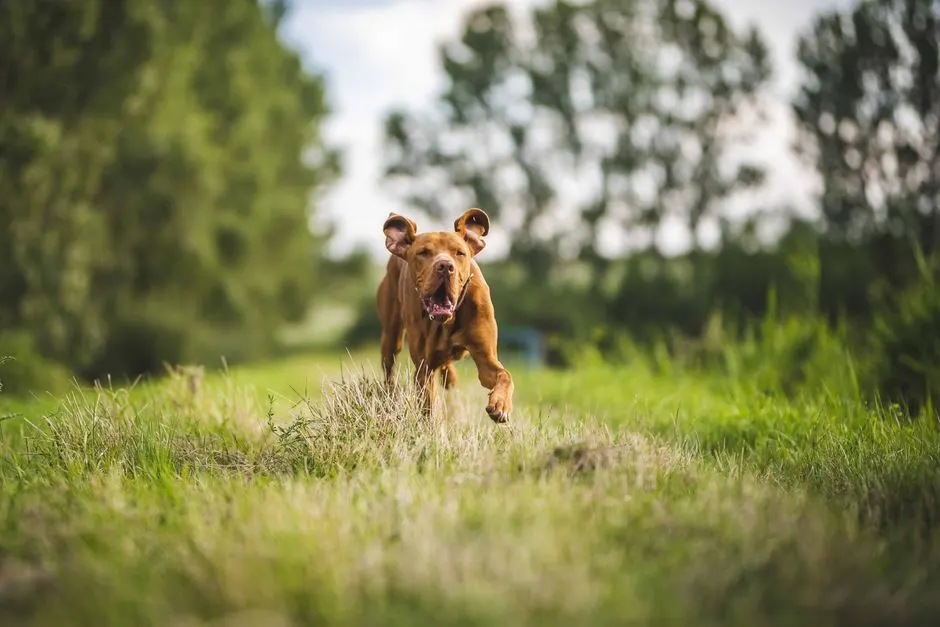
Flea and tick season in Beaufort runs from March through November, with peak activity from May to September. Ticks stay active year-round here because our winters rarely drop below freezing for long, and fleas survive outdoors whenever soil temperatures hold above 50°F. If you live in Beaufort and have a dog or cat, you are dealing with fleas and ticks ten to twelve months out of the year, not three.
Below we break down exactly when each pest peaks, why the Lowcountry is worse than most of South Carolina, and the steps that actually keep your pets and your home clear.
When Is Flea and Tick Season in Beaufort SC?
Flea and tick season in Beaufort SC starts in early March and does not fully wind down until late November, with a second flea surge in October after summer rains. The chart below is what we see on service calls across Beaufort, Port Royal, and Ladys Island.
- March-April: Adult ticks (mostly lone star and American dog ticks) emerge from leaf litter. Flea eggs start hatching in shaded yards.
- May-September: Peak season. Flea populations double roughly every two weeks in humid weather. Tick nymphs - the size of a poppy seed and the ones most likely to transmit disease - are everywhere in tall grass and pine straw.
- October-November: A second flea wave hits after the fall rains. Ticks remain active on warm days.
- December-February: Outdoor flea activity slows but does not stop. Ticks can be active any day the temperature climbs above 45°F.
That means Beaufort pet flea and tick prevention is not a summer job. It is a twelve-month job with two intensity peaks.
Why Beaufort's Climate Keeps Fleas and Ticks Active Longer
Beaufort's humid subtropical climate - average summer humidity above 70%, winter lows that rarely dip below 35°F, and 49 inches of annual rain - is close to ideal for both fleas and ticks. Flea larvae need 50-85% relative humidity to survive. Ticks need a host and a little warmth. Beaufort gives them both, plus a lot of deer.
Deer are the primary host for adult black-legged and lone star ticks. Beaufort County's deer population is dense, especially around the marsh edges in pest control Ladys Island SC and the wooded lots near the air station. When a deer walks through your yard, it drops engorged female ticks that lay 2,000-3,000 eggs each. One deer can seed an entire property.
Fleas work differently. They hitchhike. A raccoon, opossum, or neighborhood cat passes through your yard, drops flea eggs in the mulch, and three weeks later your dog is scratching. We see this pattern constantly in older Beaufort neighborhoods where lots back up to tidal creeks and green space.
How to Protect Your Pets from Fleas and Ticks in Beaufort
Protecting your pets from fleas and ticks in Beaufort takes three layers: on-pet prevention, yard treatment, and indoor control. Skip any one of them and you will be fighting the same infestation again in six weeks.
On-pet prevention
Talk to your vet about a year-round flea and tick preventive - oral chews, topical drops, or a collar like Seresto. The key word is year-round. We get calls every January from owners who stopped treatment in October and are now finding fleas on the dog in the living room. If you have multiple pets, treat all of them. Fleas will simply move to the untreated one.
Yard treatment
Fleas spend about 95% of their life cycle off the host - eggs, larvae, and pupae all live in soil, mulch, and leaf litter. That is why spraying the dog does not solve the problem. You have to break the cycle where it actually happens. Our flea control Beaufort SC service targets shaded lawn edges, under decks, along fence lines, and anywhere pets rest. For ticks, we treat the transition zone between lawn and woods - the 3-6 foot band where ticks quest for hosts.
Indoor control
Vacuum daily for two weeks if you already have fleas inside. The vibration triggers pupae to emerge so the insecticide can kill them. Wash pet bedding in hot water weekly. And treat cracks along baseboards and under furniture - that is where flea larvae hide.
The Yard Is Where Most Infestations Start
Nine out of ten flea infestations we inspect in Beaufort start outdoors and move inside on a pet or a pant leg. The yard is the reservoir. If you only treat the house, you are bailing water without plugging the hole.
Walk your property and look for these:
- Shaded areas where the grass stays damp past 10 a.m.
- Leaf litter and pine straw piles along the fence or tree line.
- Under decks, porches, and sheds - favorite flea larvae habitat.
- Where wildlife crosses - a worn path under the fence, scat, or a den.
- Tall grass at the edge of the marsh or woods.
If your neighbor has an untreated dog or there is a feral cat colony nearby, your yard will keep getting re-seeded no matter how clean you keep it. That is when a recurring yard treatment plan makes sense.
Common Mistakes Beaufort Pet Owners Make
The same four mistakes show up on almost every flea and tick call we run in Beaufort.
- Stopping prevention in October. Fleas and ticks do not read the calendar. We find live fleas on pets in Beaufort in December and January every year.
- Treating the pet but not the yard. The pet is 5% of the problem. The yard is the other 95%.
- Using a fogger once and calling it done. Foggers kill adult fleas but not eggs, larvae, or pupae. Two weeks later, you have the same problem.
- Waiting until the pet is scratching. By the time you see scratching, the infestation has been building for three to four weeks. Flea allergy dermatitis - the intense itching and hair loss some pets get from a single flea bite - is much harder to treat than the fleas themselves.
One more: do not assume a clean house means no fleas. Flea eggs and larvae live in carpet fibers and between floorboards. You can have a spotless home and a thriving flea population.
When to Call a Professional
Call a professional when you see fleas on the pet after two weeks of consistent on-pet treatment, when you find ticks in the house, or when more than one room has fleas. Those are signs the infestation has moved past the point where DIY products will finish the job.
At Pest Control Beaufort SC, we handle flea and tick treatment Beaufort homeowners actually need: a full yard inspection, a targeted outdoor treatment, and an indoor knockdown if the infestation has moved inside. We use products that are safe for dogs and cats once dry, and we time the re-treatment to hit the flea life cycle at the right stage - usually 14 to 21 days after the first visit.
If you are also dealing with the mosquitoes that come with Lowcountry summers, our mosquito control Beaufort SC service pairs well with flea and tick work. Same technician, same visit, one bill.
Frequently Asked Questions
When is flea and tick season in Beaufort SC?
Flea and tick season in Beaufort runs March through November, with peak activity May through September. Ticks stay active year-round on days above 45°F, and fleas survive outdoors whenever soil temperatures stay above 50°F.
How do I protect my pets from fleas and ticks in Beaufort?
Use a year-round vet-recommended preventive on every pet, treat your yard for fleas and ticks, and vacuum indoors weekly. Treating only the pet leaves 95% of the flea life cycle - the eggs and larvae in your yard - untouched.
How much does flea and tick control cost in Beaufort SC?
Typical 2026 pricing for a single flea and tick yard treatment in Beaufort runs $150-$300 depending on lot size and infestation level. A recurring seasonal plan usually costs $75-$150 per visit, with most yards needing four to six visits per year.
Who is the best flea and tick control company in Beaufort?
The right company is the one that treats your yard, not just your pet, and that schedules follow-up visits around the flea life cycle. Ask any provider how many visits they recommend and what they do about re-infestation from wildlife.
Is flea and tick treatment safe for pets in Beaufort?
Yes, when applied correctly. We use EPA-registered products and ask that pets stay off treated areas until dry - usually 30 to 60 minutes. Tell us about fish tanks, reptiles, or sensitive pets before we treat so we can adjust.
Get Help with Pest Control in Beaufort
If fleas or ticks have already made it into your home or your pet is scratching nonstop, we can help. Our team handles flea and tick inspections and treatments across Beaufort, Port Royal, Ladys Island, and the surrounding Lowcountry.
Call (843) 892-8051 to schedule a visit. We will inspect the yard, identify the source, and build a treatment plan that fits your pets and your property.